
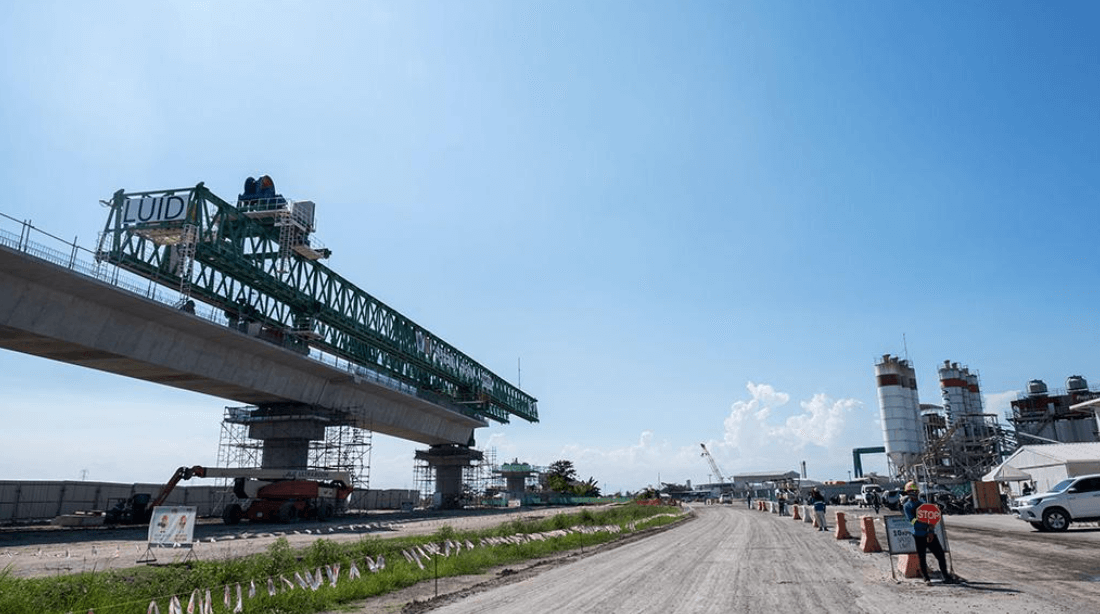
Philippines’ Malolos–Clark Railway project secures final ADB funding boost
The Asian Development Bank (ADB) has officially approved the final $1.45 billion loan tranche for the Malolos–Clark Railway Project (MCRP), bringing the total funding for the ambitious infrastructure project to $2.75 billion. This marks a significant milestone in the development of the North-South Commuter Railway (NSCR), which is poised to revolutionize the Philippines’ transportation network.
The Malolos–Clark Railway Project, a 53.1-kilometer commuter railway, will connect Malolos in Bulacan to Clark in Pampanga, with an express service linking directly to Clark International Airport. With funding secured, the project will help alleviate congestion in the densely populated Greater Manila Area and promote mass transit, reducing the reliance on private vehicles.
Strategic Impact and Economic Growth
This final tranche of financing underscores ADB’s commitment to supporting sustainable infrastructure in the Philippines. Pavit Ramachandran, the ADB Country Director for the Philippines, highlighted that the project is part of the country’s broader efforts to modernize its transportation infrastructure, enhance connectivity, and foster long-term economic development.
“The Malolos–Clark Railway will not only improve mobility but will also create jobs, attract investments, and contribute to reducing greenhouse gas emissions,” Ramachandran noted. The railway is expected to carry thousands of passengers daily, further boosting the local economy and promoting regional integration.
Environmental and Long-Term Benefits
Aside from improving transport efficiency, the project is a key step in the Philippines’ goal to reduce its carbon footprint. By encouraging the shift from cars to rail travel, the Malolos-Clark Railway will help decrease traffic congestion and mitigate the environmental impact of urban sprawl.
The project is part of the government’s larger North-South Commuter Railway System, which, when completed, will enhance access to major commercial, industrial, and tourism hubs across the region. This project will contribute to economic recovery by boosting employment and improving logistical efficiencies.
Next Steps and Future Outlook
With the funding secured, the Philippine government, in collaboration with ADB, aims to fast-track the construction and operational phases of the railway. As the project progresses, attention will also be given to ensuring safety standards, with plans for modern train stations, passenger facilities, and high-speed services to meet growing demand.
The full completion of the Malolos–Clark railway is expected to be a game-changer for Filipino commuters, particularly for those traveling between Metro Manila and Central Luzon. Once operational, it will be a major step toward the Philippines’ vision for a sustainable and interconnected transportation future.
Photo: ADB.org


