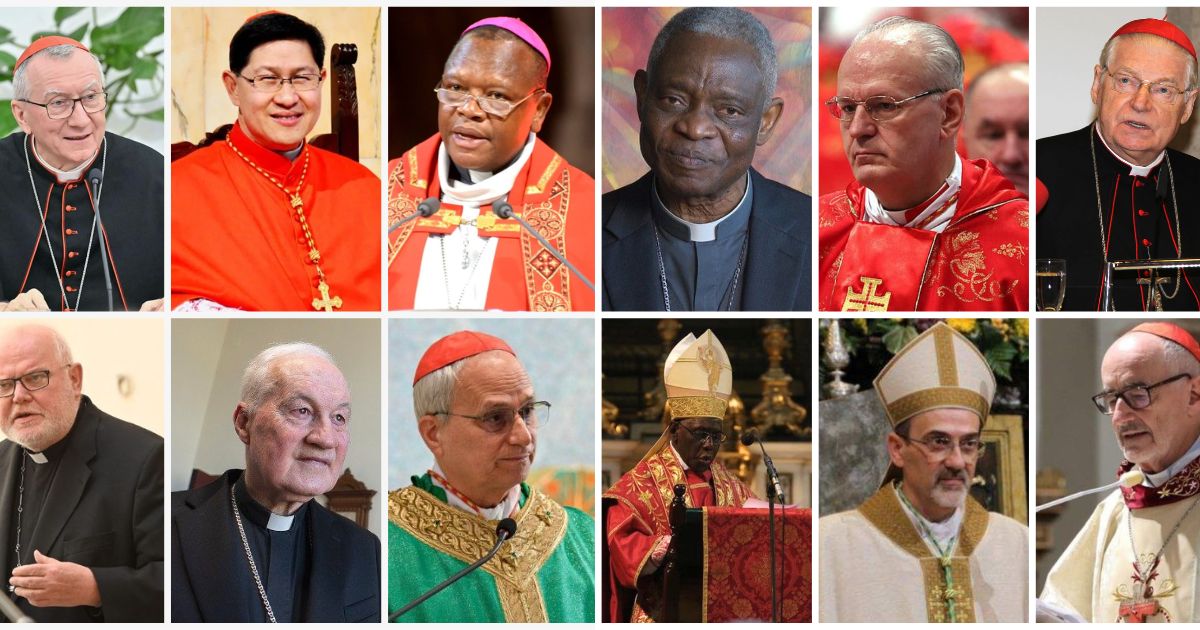
Who will be the next pope? Top 12 contenders revealed
The question of who will become the next pope carries immense weight for the Catholic Church and its 1.4 billion baptized members around the world. Yet, despite the gravity of the decision, the outcome is anything but predictable.
The selection process begins with the College of Cardinals gathering in the Sistine Chapel for a conclave, where they will deliberate and vote until one name emerges. Notably, 80% of the cardinals eligible to vote were appointed by Pope Francis, a factor that suggests a more global outlook in the Church’s leadership. This conclave will also mark a historic shift, with fewer than half of voting cardinals hailing from Europe. And while many were chosen by Francis, their leanings do not fall neatly into “progressive” or “traditionalist” camps—making the race more open than ever.
There is also speculation that the next pope could come from outside Europe—possibly from Africa or Asia—adding further intrigue to the election. Could one of the Vatican veterans rise to the top, or will a new voice emerge from the Church’s growing communities in the Global South?
Who Will Be The Next Pope?
Pietro Parolin
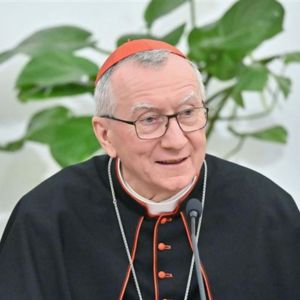
Nationality: Italian
Age: 70
Cardinal Parolin, a soft-spoken Italian, has served as the Vatican’s Secretary of State, effectively acting as the pope’s top adviser and head of the Roman Curia. This experience makes him a frontrunner in the eyes of many. Supporters praise his diplomatic skills and global perspective, while critics question his perceived leniency on doctrinal purity. He has been outspoken on some moral issues, calling Ireland’s legalization of same-sex marriage “a defeat for humanity.” Despite strong odds, even he may heed the old Roman proverb: “He who enters a conclave as a pope, leaves it as a cardinal.”
Luis Antonio Gokim Tagle

Nationality: Filipino
Age: 67
Seen as a moderate and dubbed the “Asian Francis,” Cardinal Tagle brings decades of pastoral experience, particularly in the deeply Catholic Philippines. He aligns with Church teachings on abortion and euthanasia, while also advocating for compassion and inclusion. In 2015, he called on the Church to reassess its severe treatment of marginalized groups. A known figure since the 2013 conclave, Tagle has dismissed papal rumors with humor, once saying, “I treat it like a joke! It’s funny.”
Fridolin Ambongo Besungu
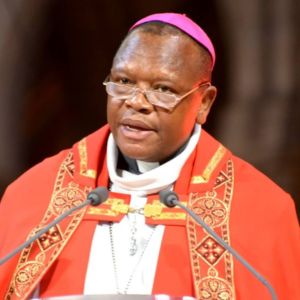
Nationality: Congolese
Age: 65
A key African candidate, Cardinal Ambongo is Archbishop of Kinshasa and a vocal figure in the DRC’s complex religious landscape. He has taken conservative stances on same-sex marriage, labeling such unions as “intrinsically evil.” At the same time, he has called for religious plurality and cooperation. His commitment to the Church amid rising persecution makes him a compelling choice, though some may question whether his inclusive rhetoric fully aligns with the Church’s evangelical mission.
Peter Kodwo Appiah Turkson

Nationality: Ghanaian
Age: 76
A cardinal since 2003, Turkson has long been considered papabile. Though known for his charisma—he once played in a funk band—he holds conservative views on many issues. However, he opposes the criminalization of homosexuality, distinguishing himself from many of his African peers. While previously a bookmakers’ favorite, Turkson has expressed disinterest in the papacy, noting that aspiring to the role “tends to muddy the waters.”
Peter Erdo
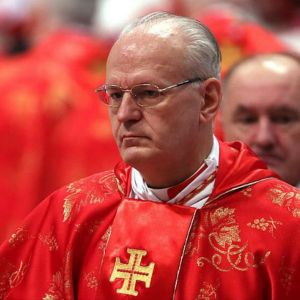
Nationality: Hungarian
Age: 72
Erdo is a seasoned European candidate, twice chairing the Council of European Bishops’ Conferences. He is well connected within both African and Orthodox circles, and has played host to two papal visits. Known for his conservative stance on family issues and his ability to navigate Hungary’s political climate, Erdo may appeal as a compromise candidate who blends doctrinal firmness with diplomatic tact.
Angelo Scola
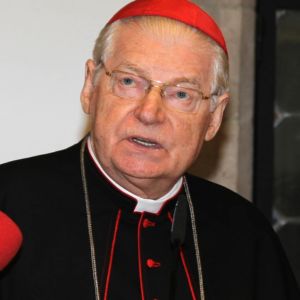
Nationality: Italian
Age: 83
Though no longer eligible to vote, the former Archbishop of Milan is once again drawing attention. A prominent contender during the 2013 conclave that ultimately elected Pope Francis, Scola is said to have experienced the familiar Vatican twist: entering as papabile and exiting a cardinal. This week, his name re-entered public discourse with the release of a new book on old age.
The book includes a heartfelt preface from Pope Francis—penned just before a hospital stay—in which he reflects that “death is not the end of everything, but the beginning of something.” While this affection from Francis is telling, some in the College of Cardinals may see Scola’s focus on aging as misaligned with the kind of papal energy needed now.
Reinhard Marx

Nationality: German
Age: 71
Germany’s most senior Catholic figure remains a deeply embedded Vatican insider. As Archbishop of Munich and Freising, Marx served as one of Pope Francis’s closest advisers for a decade, helping guide Church reform and leading the Vatican’s financial overhaul. Known for advocating a more welcoming stance toward LGBTQ+ individuals, his progressive leanings have at times put him at odds with traditionalists. In 2021, he offered to resign over his handling of clerical abuse cases in Germany—a resignation that Francis ultimately declined. However, his 2023 departure from the Council of Cardinals was widely seen as a setback to his ecclesiastical trajectory.
Marc Ouellet
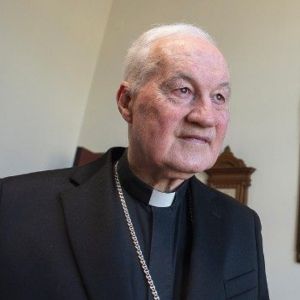
Nationality: Canadian
Age: 80
Twice considered a serious papal contender in 2005 and 2013, Cardinal Ouellet carries weight as the former head of the Dicastery for Bishops—a role that made him one of the key gatekeepers of the global episcopate. His blend of conservatism and modernity includes support for clerical celibacy and opposition to women’s ordination, while also advocating for increased female leadership roles within the Church. Although he has just aged out of conclave voting eligibility, his influence remains, though it’s unlikely he’ll be chosen this time.
Robert Prevost

Nationality: American
Age: 69
Could the next pope hail from the United States? Cardinal Prevost, born in Chicago and shaped by years of missionary work in Peru, is increasingly being mentioned as a viable candidate. In 2023, Pope Francis tapped him to head the Dicastery for Bishops, one of the most pivotal posts in the Vatican. His leadership extends beyond national boundaries—he once chaired the Pontifical Commission for Latin America and is seen as a potential reformer. Still, his relative youth and unresolved concerns from his time in Peru—where his diocese denied allegations of mishandled abuse cases—may give some cardinals pause.
Robert Sarah
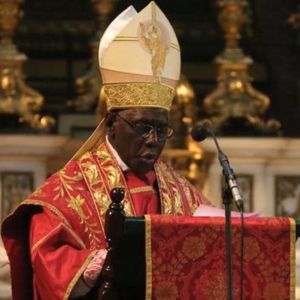
Nationality: Guinean
Age: 79
A favorite among conservatives, Cardinal Sarah is revered for his staunch adherence to Catholic doctrine and traditional liturgy. Appointed archbishop at the age of 34 by Pope John Paul II, he has spent decades shaping Church life in Africa and Rome, culminating in his leadership of the Vatican’s liturgical office. Though he retired in 2021, his name continues to resonate with traditionalist factions. While not a frontrunner, Sarah could emerge as a compromise candidate if the conclave takes a more conservative turn.
Pierbattista Pizzaballa
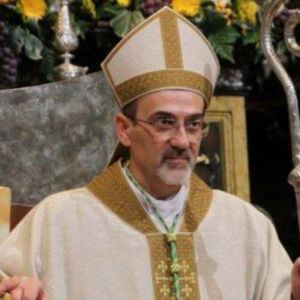
Nationality: Italian
Age: 60
As Latin Patriarch of Jerusalem, Pizzaballa brings deep insight into one of the world’s most complex religious and geopolitical regions. Since his ordination at 25 and immediate move to the Holy Land, he has built a reputation for navigating the tensions between Israelis and Palestinians with rare fluency. Despite his youth and limited experience as a cardinal, his pastoral style and firsthand understanding of interreligious conflict make him a compelling, if unconventional, option. Still, his closeness to Francis could be a liability among those favoring a different direction.
Michael Czerny
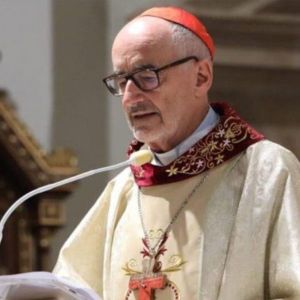
Nationality: Canadian
Age: 78
Cardinal Czerny is a Jesuit and a longtime advocate for social justice, refugees, and environmental concerns—causes closely aligned with Pope Francis’s vision for the Church. As head of the Dicastery for Promoting Integral Human Development, he has championed Laudato Si’ and the Church’s role in combating climate change and inequality. His work has earned him respect across ideological lines, though some question whether his activist profile overshadows his theological depth. While his alignment with Francis is clear, it remains uncertain whether the College of Cardinals is ready to elect someone so explicitly associated with the current pope’s most progressive ideals.