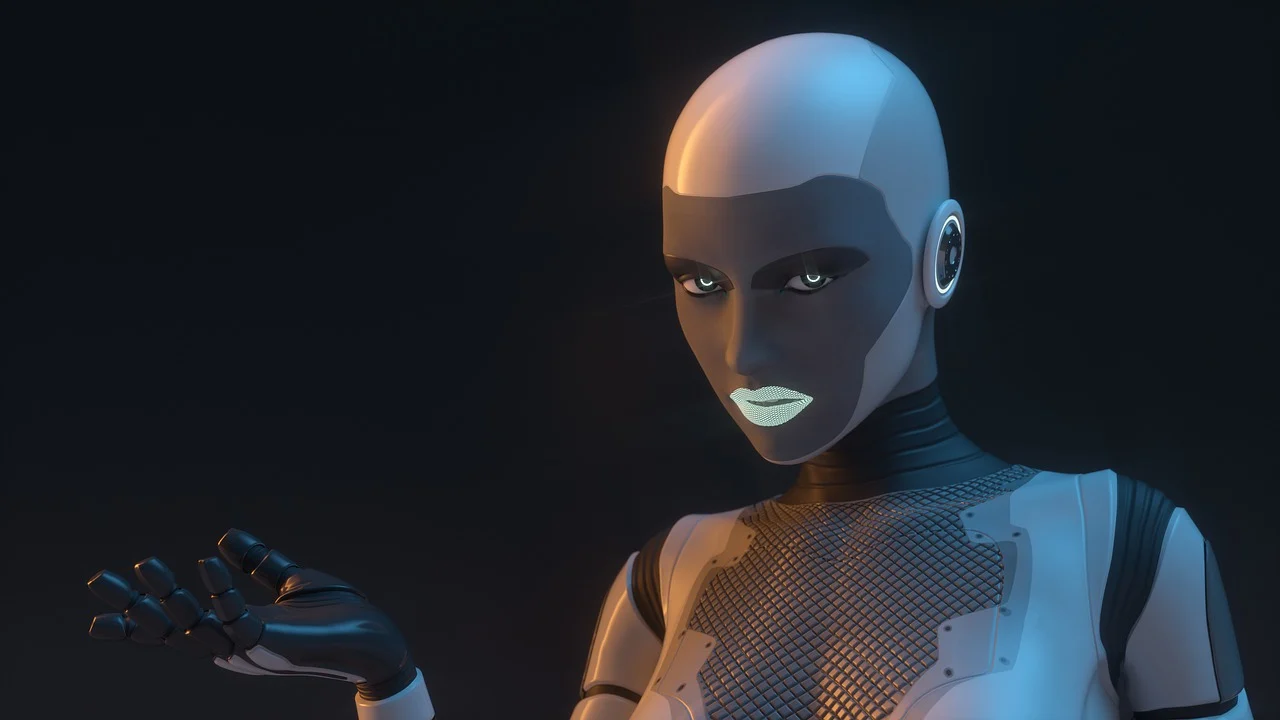
Likeness exploited: they sold their likeness to AI platforms and faced devastating regrets
What seemed like easy money for struggling actors and content creators is now turning into a cautionary tale of their likeness in the age of artificial intelligence. Across the globe, people are learning the hard way what it truly means to sell their digital likeness to AI companies.
South Korean actor Simon Lee found himself shocked when his AI-cloned face began popping up on social media, promoting questionable health products like lemon balm tea for weight loss and ice baths for acne. He had signed over his image to an AI marketing firm, expecting professional exposure—only to see his digital self repurposed into roles he never agreed to, from a gynaecologist to a surgeon.
And he’s not alone. Actors and influencers who once believed they were entering a new frontier of digital media are now trapped by vague contracts, unable to remove deepfaked videos used in everything from scam ads to political propaganda.
The technology is relatively simple and cheap: a few hours in front of a green screen, a script, and an emotional performance. From there, AI companies can generate a limitless stream of videos in any language, using the real facial expressions and voice of the original actor. These avatars can deliver any message, whether it’s selling herbal supplements or endorsing controversial political figures, without the actor’s further involvement or consent.
In the U.S., 29-year-old actor Adam Coy signed a $1,000 contract in 2024, giving up his image and voice rights for one year. What he didn’t expect was to see his AI double warning people about future disasters in bizarre videos that his partner’s mother stumbled across online.
British actor Connor Yeates also signed up, receiving €4,600 for a three-year deal with UK-based AI firm Synthesia. He then found out that his face was being used to promote Ibrahim Traore, the leader of a military coup that took place in Burkina Faso in 2022.
Consequences of selling your likeness to AI platforms
The agreements often come with complicated legalese that grants irrevocable rights to someone’s image and voice. Business law experts warn that many signers don’t realize they are granting lifetime and worldwide usage rights with no ability to revoke consent. Some contracts prohibit pornographic or alcohol-related content, but are silent on political or misleading commercial use.
As platforms multiply and competition intensifies, not all are maintaining responsible content moderation. Some allow AI avatars to say anything, even making outrageous claims, if not explicitly prohibited in the contract.
Lawyers and digital rights advocates are raising red flags, warning that the law hasn’t kept pace with the technology. There’s currently little global regulation for AI-generated likenesses, leaving users vulnerable.
In the rush to earn quick cash or get a foot in the digital door, creators are signing away more than they bargained for. What was supposed to be an opportunity is, for many, becoming a digital nightmare they can’t wake up from.
Image Cover & Body Image: Pixabay