Why Bantayan Island Residents Can Eat Meat During Holy Week: A Legacy from the Vatican
Bantayan Island, located in northern Cebu, Philippines, holds a unique place in Catholic tradition due to a historical exemption that allowed its residents to eat meat during Holy Week, typically marked by fasting and abstinence.
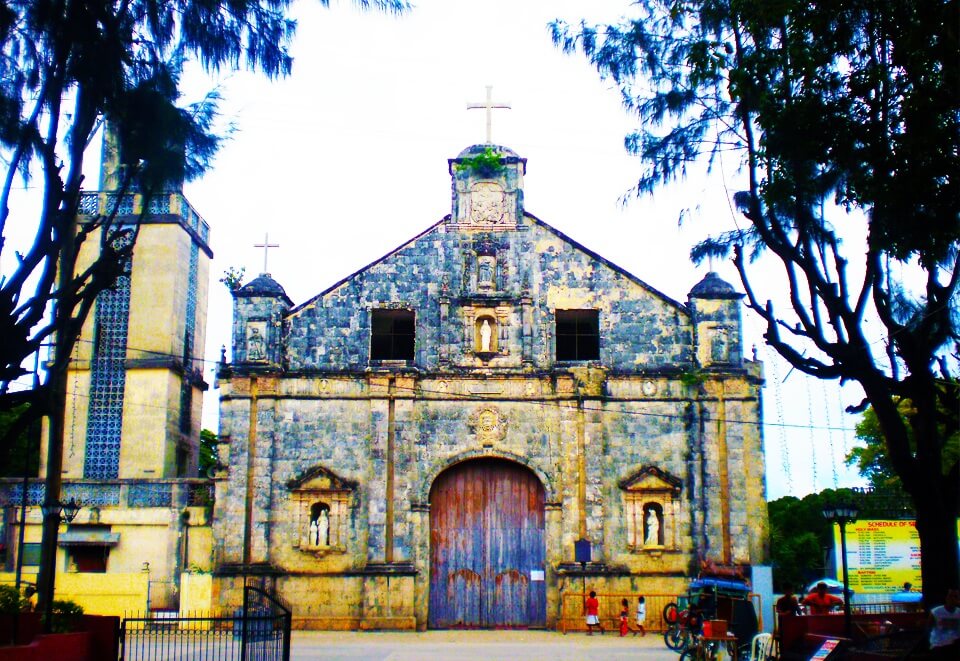
The facade of the Saints Paul and Peter Church in Bantayan, Cebu – Photo by iTravelRox
Historical Background
In 1824, Pope Leo XII granted the island a papal indulgence (special permission), permitting meat consumption during Lent and Holy Week. This concession was made in response to the island’s geographic isolation and the dietary challenges its inhabitants face. Fishing, the primary source of sustenance, was often halted during Holy Week due to religious observances and local superstitions, leaving meat as the alternative food source. The indulgence was initially valid for ten years and was later extended until 1853.
Contemporary Observance
Although the official exemption expired in 1853, the tradition of consuming meat during Holy Week persists among some residents of Bantayan Island. This practice has led to misconceptions that the island celebrates a fiesta during this solemn period. Local officials and clergy have clarified that, despite the continued tradition, the island observes Holy Week with reverence, including solemn processions and religious activities.
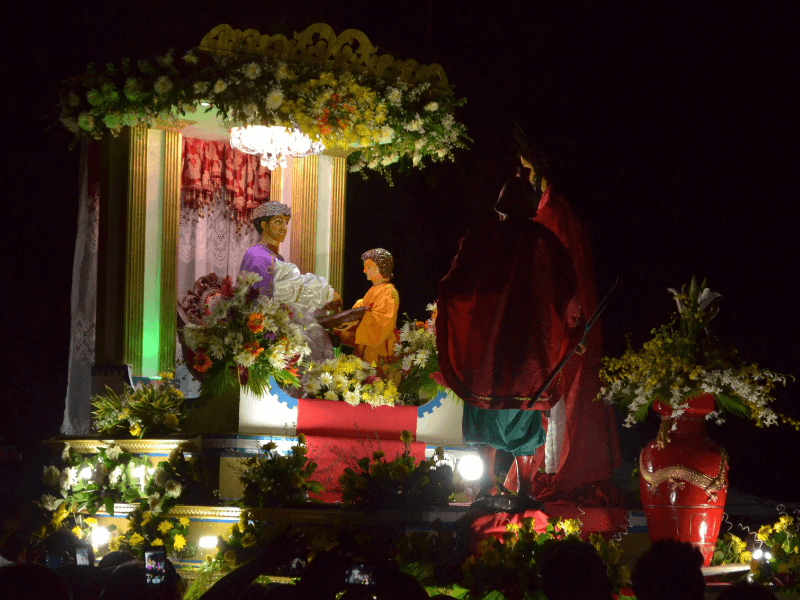
Images of Saints in a Carriage during the Holy Week Procession in Madridejos, Cebu – the third town of Bantayan Island, Photo by iTravelRox
Cultural Significance
The Parroquia de San Pedro Apostol, established in 1580 and considered the oldest parish in the Visayas and Mindanao regions, houses a copy of the original indult. The Bantayan Parish Museum, situated within the church compound, exhibits this document and other religious artifacts, aiming to educate locals and visitors about the island’s rich spiritual heritage and dispel myths surrounding its Holy Week traditions.
Today, Bantayan Island continues to attract both pilgrims and tourists during Holy Week. While the island’s white-sand beaches and cultural events draw visitors, local authorities emphasize the importance of respecting the solemnity of the season. Events that conflict with the religious nature of Holy Week, such as parties and inappropriate performances, have been discouraged or banned to maintain the sanctity of the observance.
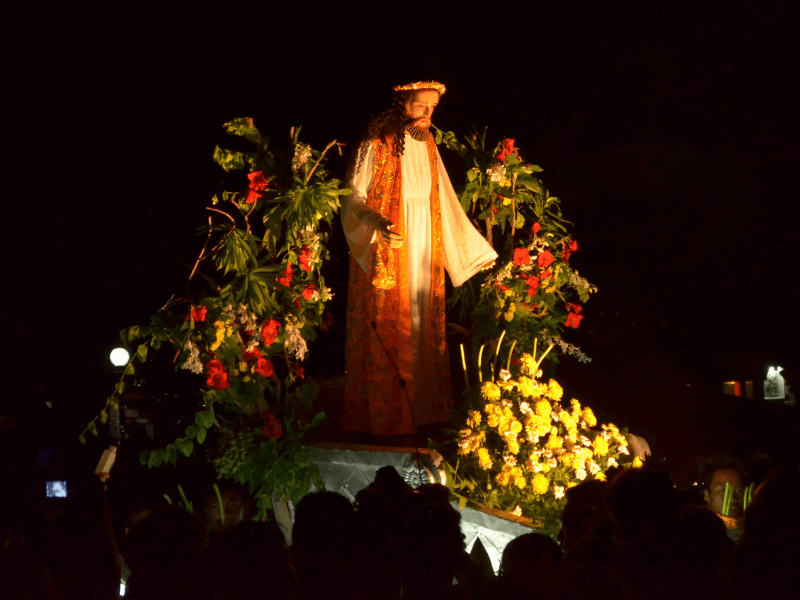
Images of Saints in a Carriage during the Holy Week Procession in Madridejos, Cebu – the third town of Bantayan Island, Photo by iTravelRox
Maintaining Balance Between Faith and Tourism
Over the years, Bantayan Island has gained a reputation for its spiritual heritage and scenic beauty, making it a dual attraction during Holy Week. This combination of devotion and destination has posed challenges to local leaders in preserving the sacred atmosphere amid an influx of tourists.
In partnership with the church and cultural organizations, the local government has implemented measures to maintain a respectful environment during the Lenten season. Among these:
- Public reminders and guidelines about appropriate behavior during Holy Week are issued to locals and tourists.
- Community-led religious activities, such as reenactments of the Passion of Christ and processions, are given center stage.
- Tourism promotions during this period are centered on pilgrimage and cultural heritage, rather than leisure or partying.
“We want visitors to understand that this is not just a beach destination—it’s also a sacred time for reflection,” said a representative from the municipal tourism office.
Educational Efforts and Heritage Preservation
The Bantayan Parish Museum plays a key role in educating the public to combat long-standing misconceptions, especially the notion that Bantayan residents “feast” while others fast. The museum houses the original documentation of the Vatican’s exemption and features historical exhibits that illustrate the island’s deep-rooted Catholic traditions.
Efforts are also being made to digitize documents and create online resources that explain the context of the indulgence and the continuity of faith on the island.
Reflection of Filipino Catholic Identity
Bantayan Island’s story uniquely reflects the adaptability of Filipino Catholicism. Although rooted in a now-expired indulgence, the tradition endures as a symbol of the Church’s historical sensitivity to local conditions and the people’s profound sense of faith and identity.
While meat may be on the table, the heart of Holy Week in Bantayan is no less devout than anywhere else in the predominantly Catholic Philippines.
Photos: Roxanne Tamayo of iTravelRox