
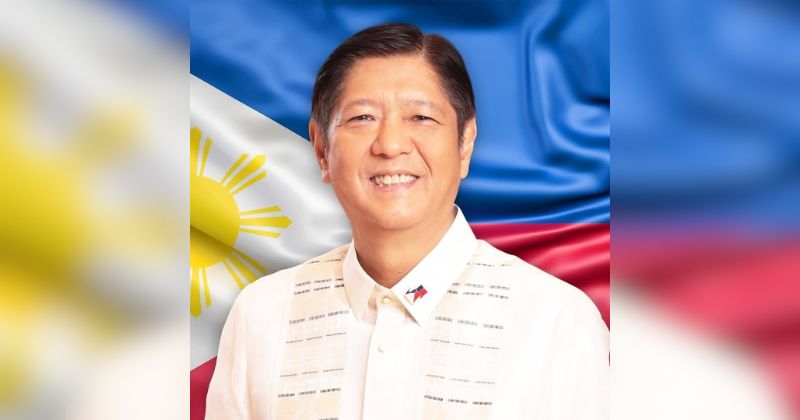
Marcos fights back as Palace links ratings drop to fake news
The Palace on Monday attributed the decline in President Ferdinand Marcos Jr.’s trust and approval ratings to what it described as a “massive disinformation and misinformation campaign” targeting the government’s actions, policies, and programs.
DICT Tapped to Tackle Fake News
At a press briefing, Palace press officer Claire Castro said the President has reaffirmed his directive to government agencies—particularly the Department of Information and Communications Technology (DICT)—to take action against the spread of fake news.
“Like what we have said, fake news can derail the minds of the people. That is why we are taking action now—the President is holding a meeting with the heads of agencies, especially DICT, to address and cut down this spread of fake news, especially during this campaign season,” she said.
Survey Shows Sharp Ratings Decline
Castro’s remarks came in response to the latest Pulse Asia survey released on Holy Wednesday, which showed a sharp decline in Marcos’s approval ratings compared to that of Vice President Sara Duterte, his former Uniteam running mate.
Conducted from March 23 to 29, the survey showed the President’s approval rating dropping by 17 percentage points—from 42 percent in February to 25 percent in March. His disapproval rating, meanwhile, rose from 32 percent to 53 percent. By comparison, Duterte’s approval rating increased from 52 percent to 59 percent, while her trust rating climbed from 53 percent to 61 percent.
Marcos Unbothered by Results
Despite the survey results, Castro said the President remains unfazed.
“The President, regardless of the rating—whether high or low—will continue to do his job [and] will not be stopped by any survey,” she said.
Survey Doesn’t Reflect Majority, Says Palace
She also downplayed the significance of the findings, pointing out that the survey’s 2,400 respondents do not reflect the sentiments of the country’s entire population of over 100 million.
“[This survey result] also reflects the influence of the fake news that is becoming widespread,” Castro added, referencing a separate study on disinformation in the Philippines. She noted that coordinated disinformation globally—especially on highly sensitive or polarizing issues—now occupies more than 10 percent of online discourse.
Image: 林鼎鈞/Facebook